
Astrophel and Stella: XXXIII
by Sir Philip Sidney
I might!–unhappy word–O me, I might,
And then would not, or could not, see my bliss;
Till now wrapt in a most infernal night,
I find how heav’nly day, wretch! I did miss.
Heart, rend thyself, thou dost thyself but right;
No lovely Paris made thy Helen his,
No force, no fraud robb’d thee of thy delight,
Nor Fortune of thy fortune author is;
But to myself myself did give the blow,
While too much wit, forsooth, so troubled me
That I respects for both our sakes must show:
And yet could not by rising morn foresee
How fair a day was near: O punish’d eyes,
That I had been more foolish,–or more wise!
End of the poem
15 random poems
- Sonnet 79: Whilst I alone did call upon thy aid by William Shakespeare
- Ольга Берггольц – Наш сад
- Annus Mirabilis by Philip Larkin
- Tiger Drinking at Forest Pool by Ruth Padel
- Омар Хайям – Бог есть, и всё есть Бог
- Sweet Stay-at-Home by William Henry Davies
- Анатолий Жигулин – Белый-белый торжественный снег
- cats.html
- Night by William Morris
- Sonnet 2: When forty winters shall besiege thy brow by William Shakespeare
- Константин Бальмонт – Цветок
- Bishop Blougram’s Apology by Robert Browning
- In Absence. by Sidney Lanier
- Владимир Британишский – Меня благословил старик Бажов
- Past and Future by Sarojini Naidu
Some external links:
Duckduckgo.com – the alternative in the US
Quant.com – a search engine from France, and also an alternative, at least for Europe
Yandex – the Russian search engine (it’s probably the best search engine for image searches).
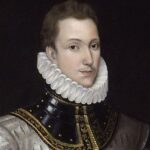
Sir Philip Sidney (1554-1586) was an English courtier, statesman, soldier, diplomat, writer, and patron of scholars and poets. He was a godson of Philip II of Spain. Sir Philip Sidney was considered the ideal gentleman of his day. He is also one of the most important poets of the Elizabethan Era.